
This one caught me off guard. Stirred something. A reminder that art has the ability to cut to the heart. Emotive watercolours mixed with photography encapsulated in British identity. Some are like propaganda posters, others transport you back to a rural pre-industrial dream.
Welcome to the catchily titled ‘Scheme for Recording the Changing Face of Britain’ aka Record Britain. A project initiated in 1939 as concerns about Germany grew, designed to record ‘views, places and sites likely to be spoiled or destroyed in the near future…concerned with preserving beautiful and historic scenes and sites’. More than 1,500 watercolours of places that mattered — not to the nation necessarily, but to someone.
And that’s the charm. It’s not about the obvious stuff. Not the grand estates, not the cathedral spires adored by tourists. It’s the local, the incidental — the things that ‘can never engage a general administration’. Unexpected fragments of Britain, the beauty of the everyday laid bare. Yet some images aren’t beautiful at all. They aren’t meant to be. They’re time capsules of the nearly-lost.
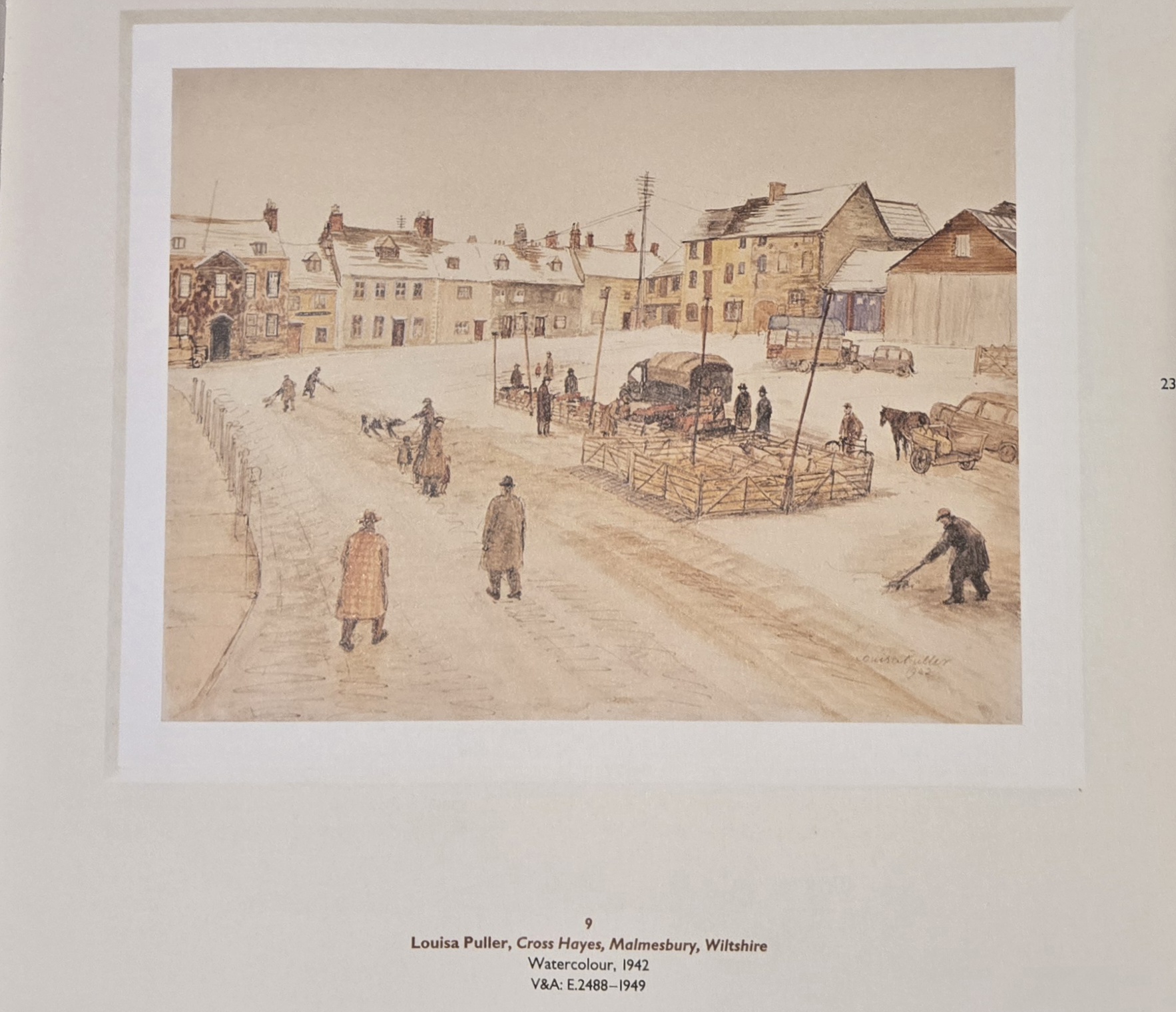
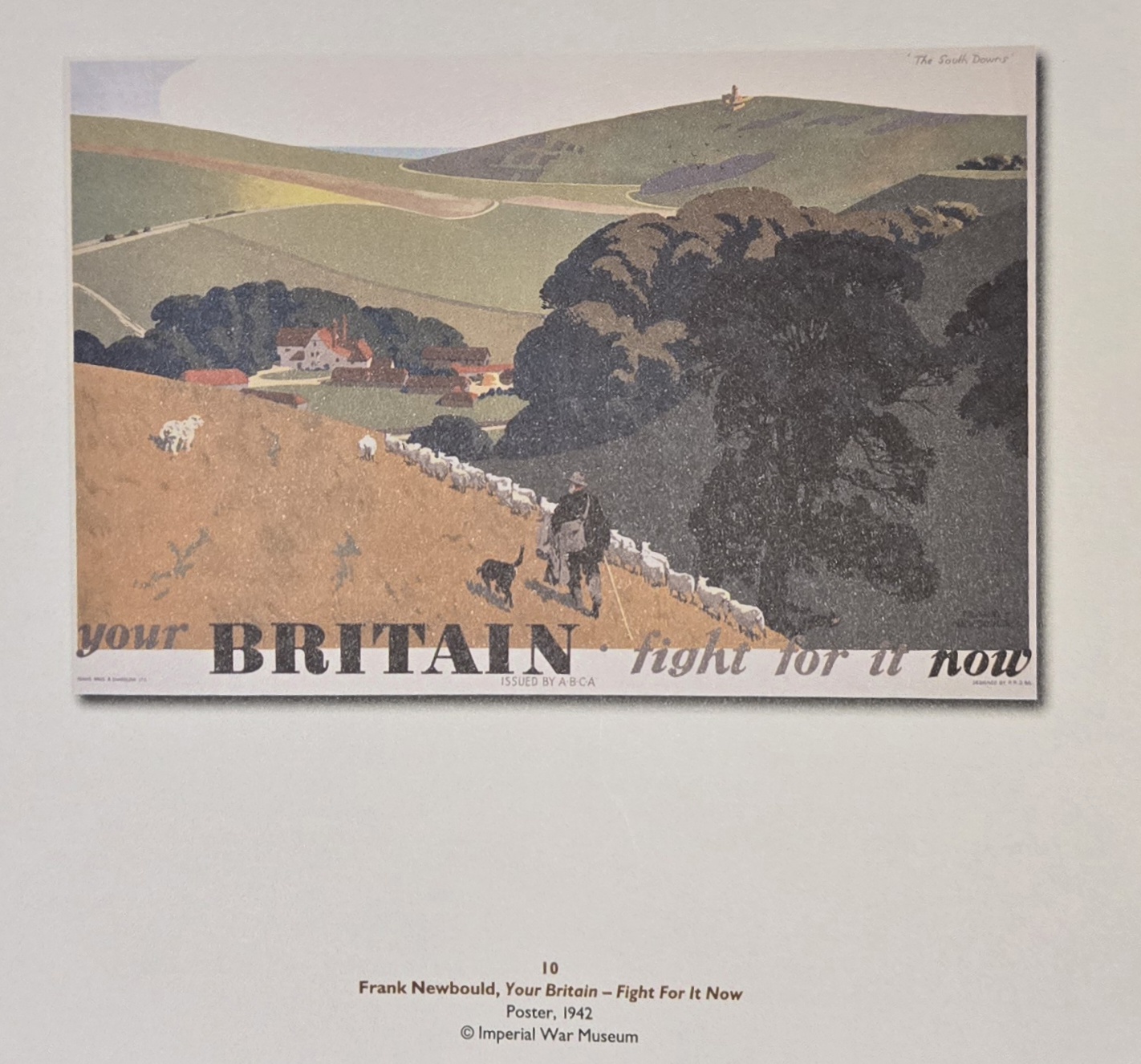
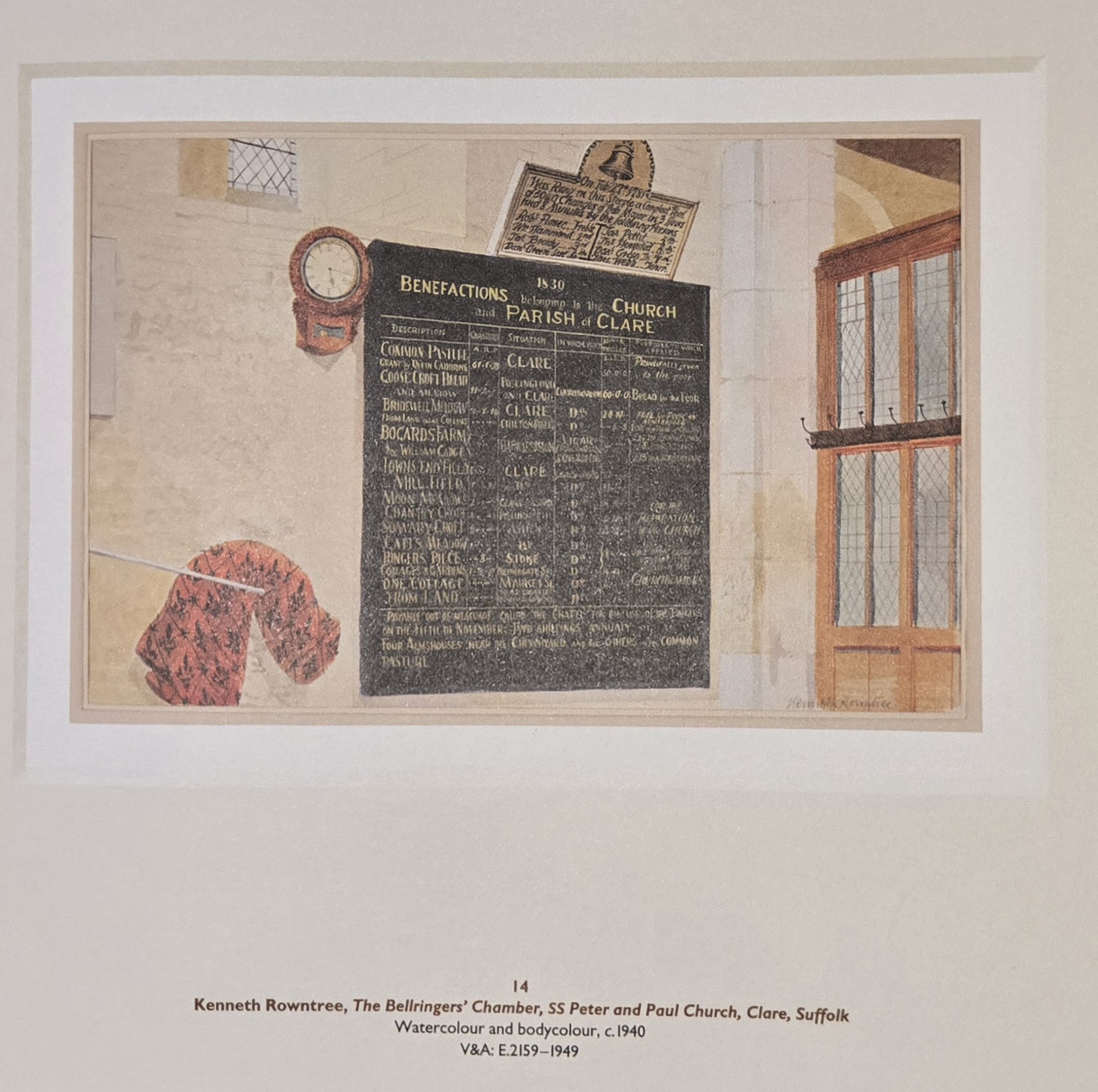
Louisa Puller’s Malmesbury works sit quietly on the page — muted and lingering. Frank Newbould’s Your Britain — Fight For It Now shouts by comparison, the visual equivalent of Blake’s Jerusalem. Then there are the purely documentary pieces: Kenneth Rowntree’s The Bellringers’ Chamber, an architectural parish postcard pinned in time.
I walked in thinking photography lives beyond mere documentation. That we, as photographers, get to decide: composition, vantage, distance, what to include, what to exclude. Timing. Emotion. All the small, invisible influences that shape a frame.
A later section in the book hits this exactly — the idea that photography is never just a “dead eye.” It’s a human vantage point, a choice. A way of feeling.
Frederick Evans, an architectural photographer, writes ‘try for a record of an emotion rather than a piece of topography. Wait till the building makes you feel intensely…analyse what gives you that feeling…then see what your camera can do towards reproducing that feeling’. Who says documentary photography is emotionless.
Then there’s the National Building Record, launched in 1940 to document interiors and exteriors for post-war restoration. Necessary work, functional work and unsurprisingly, the critics were not amazed. One reviewer wrote, “photography can do much, but it cannot give us the colour and atmosphere of the scene, the intangible genius loci.” Probably true — at least for a project built on utility rather than inspiration.
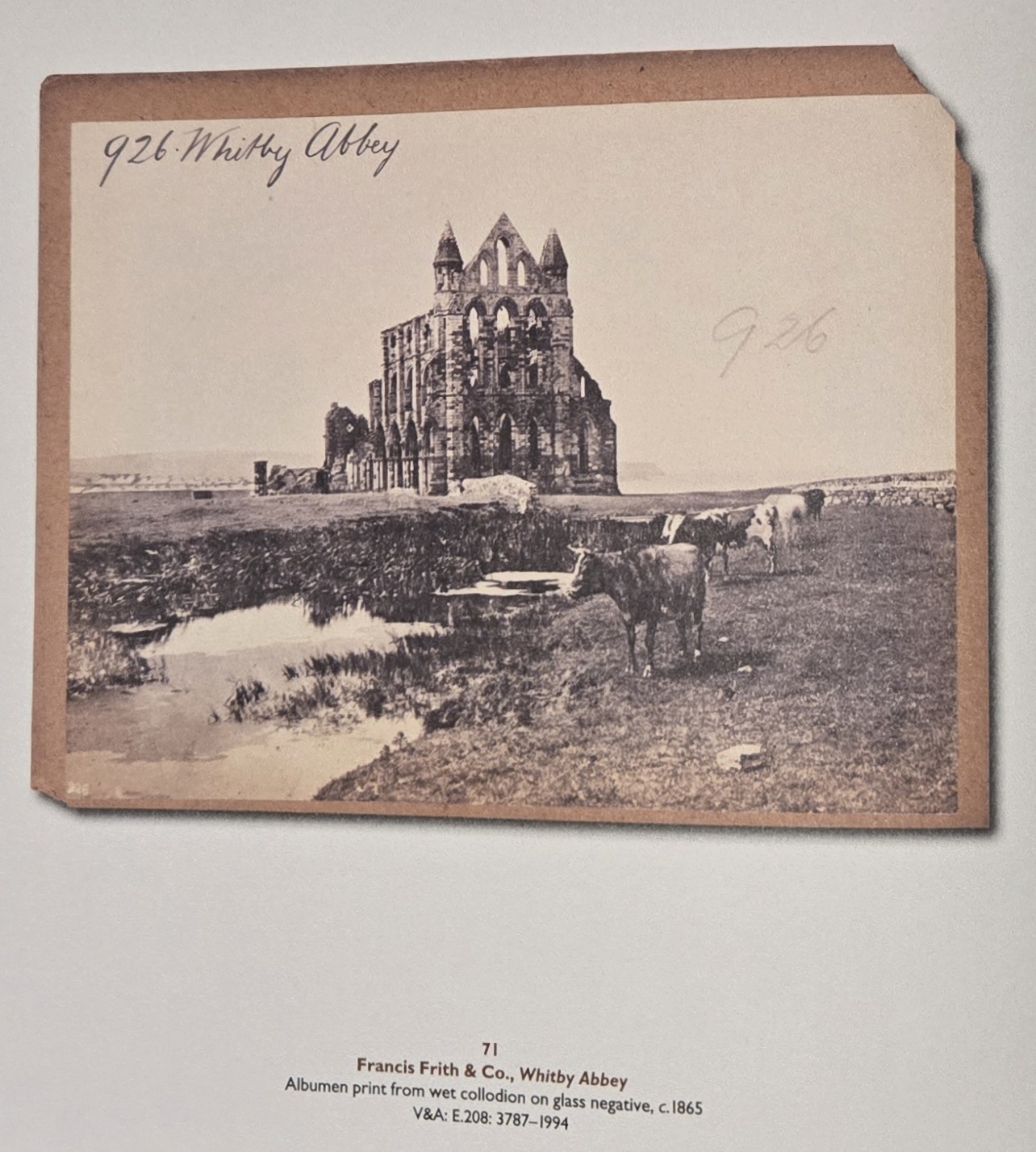
But earlier photographers did find the atmosphere, the likes of Benjamin Brecknell Turner, the postcards of Liverpool based Francis Frith & Co or the work of dilettante photographer and Birmingham MP Sir Benjamin Stone.
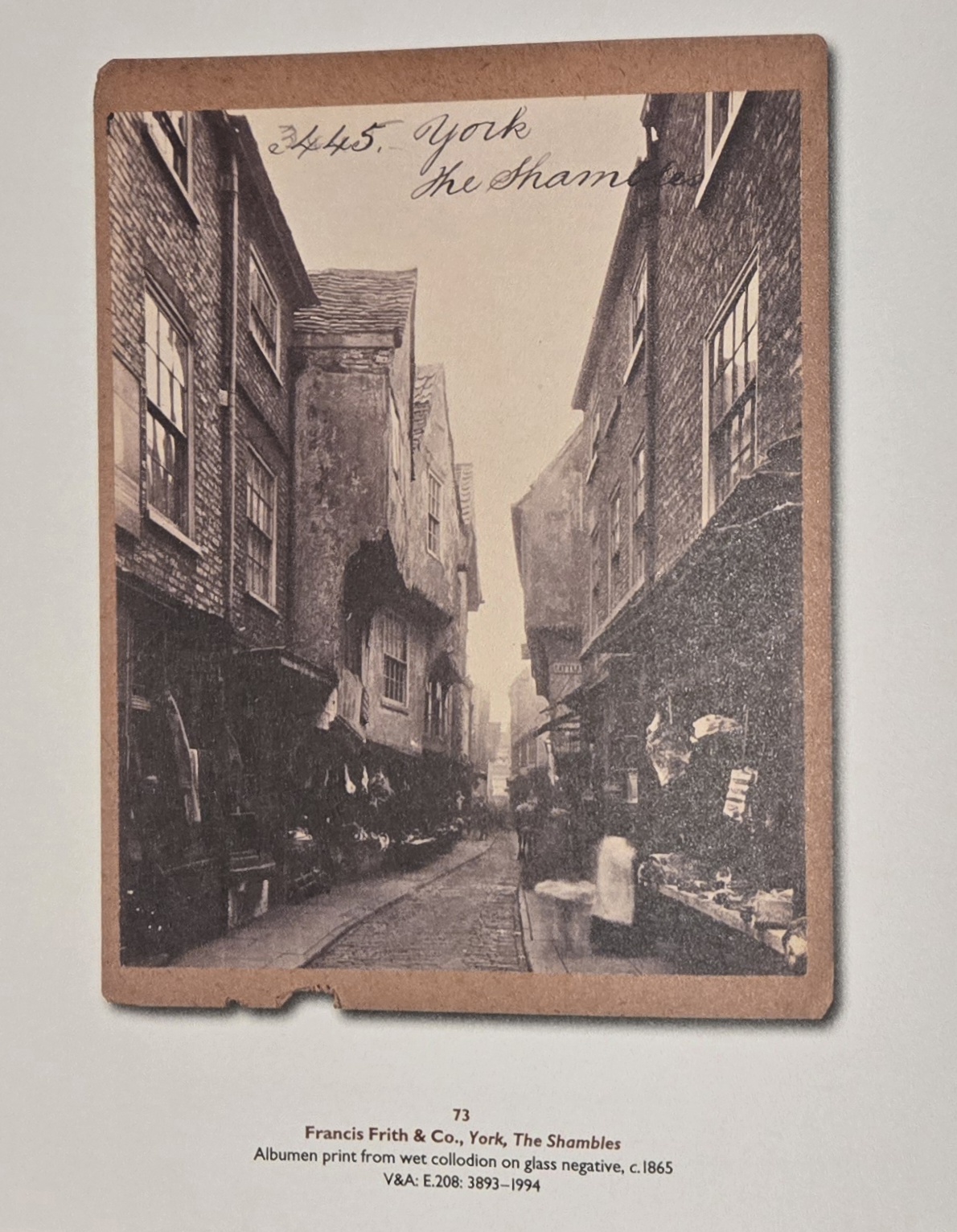
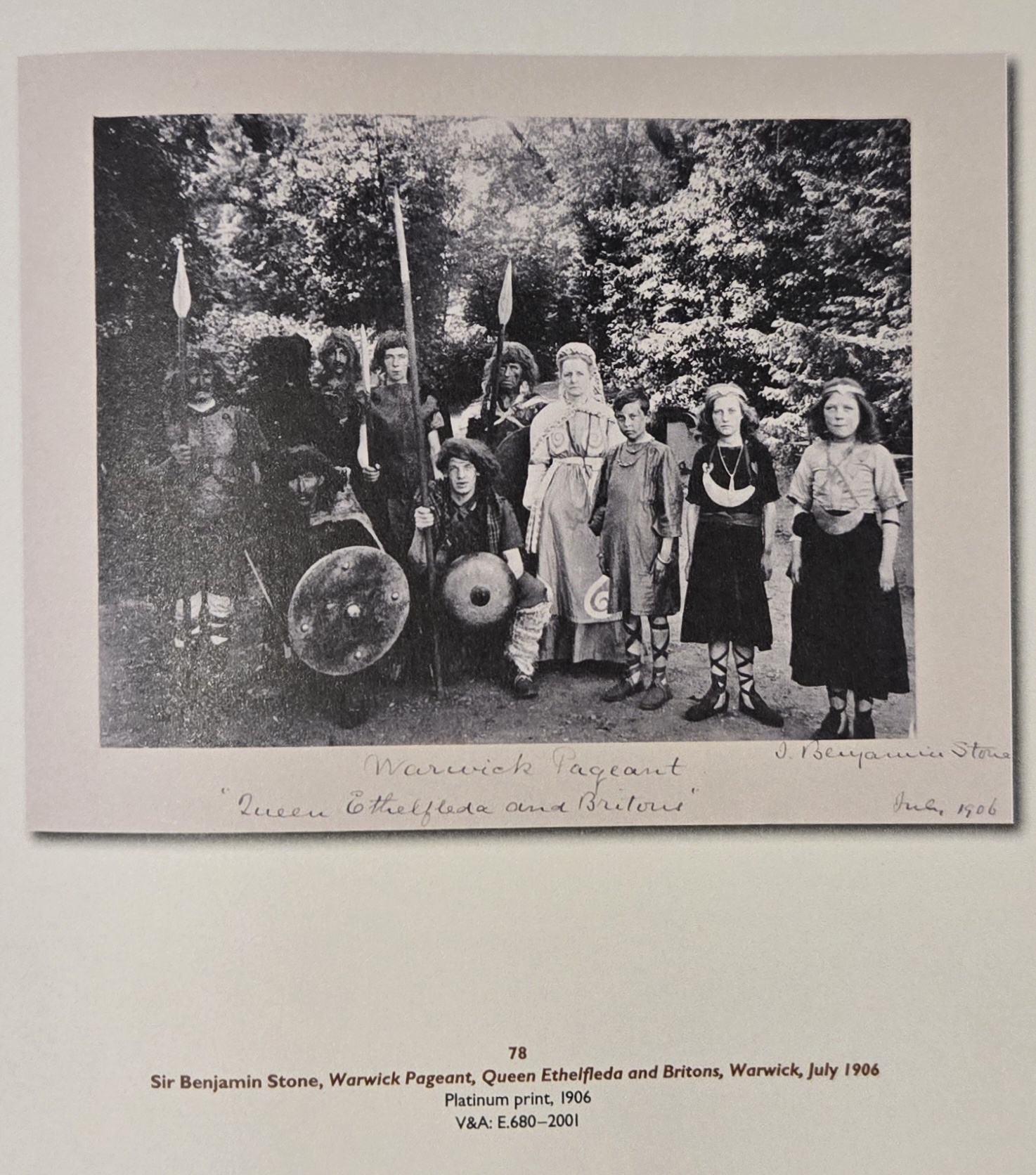
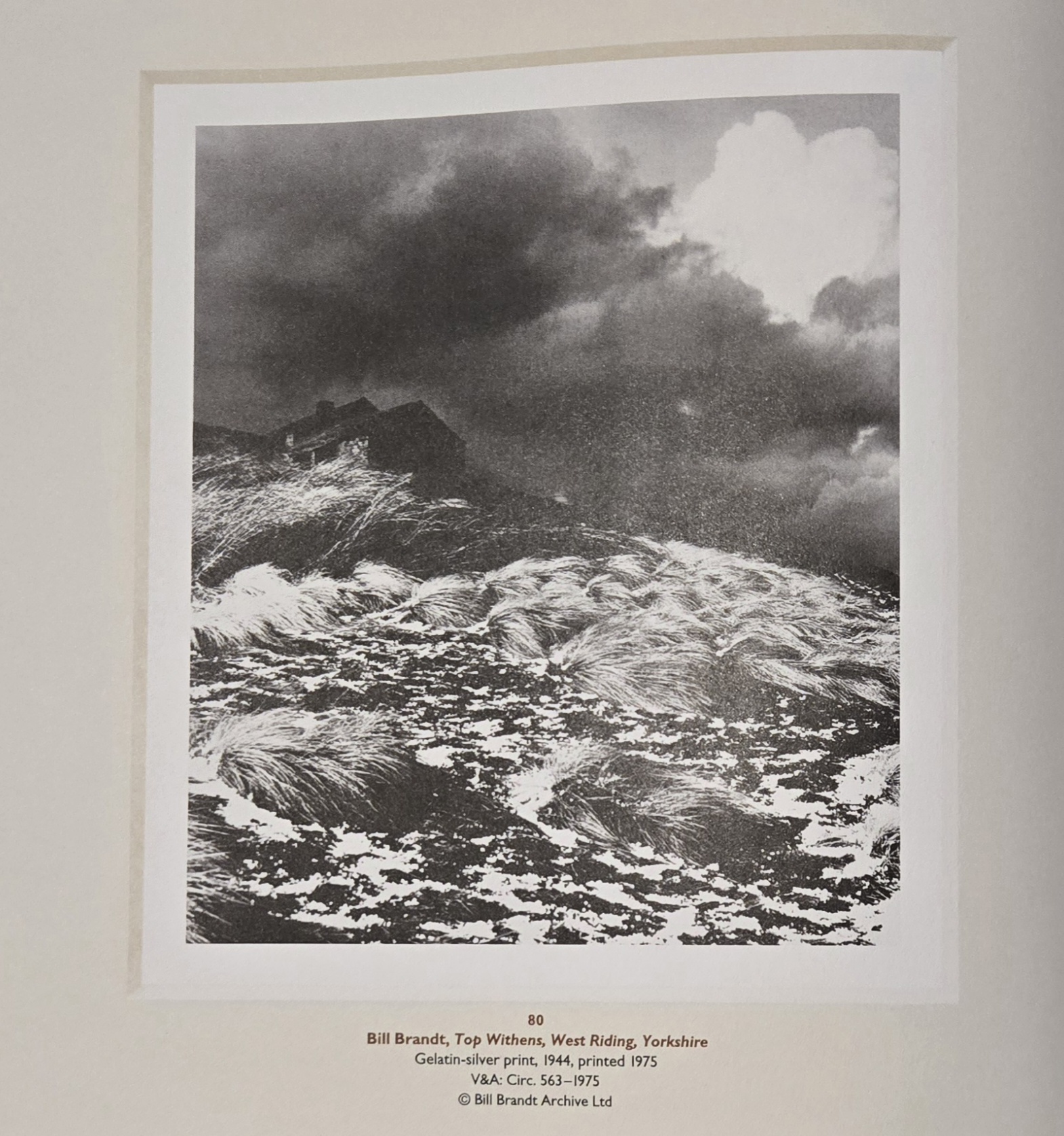
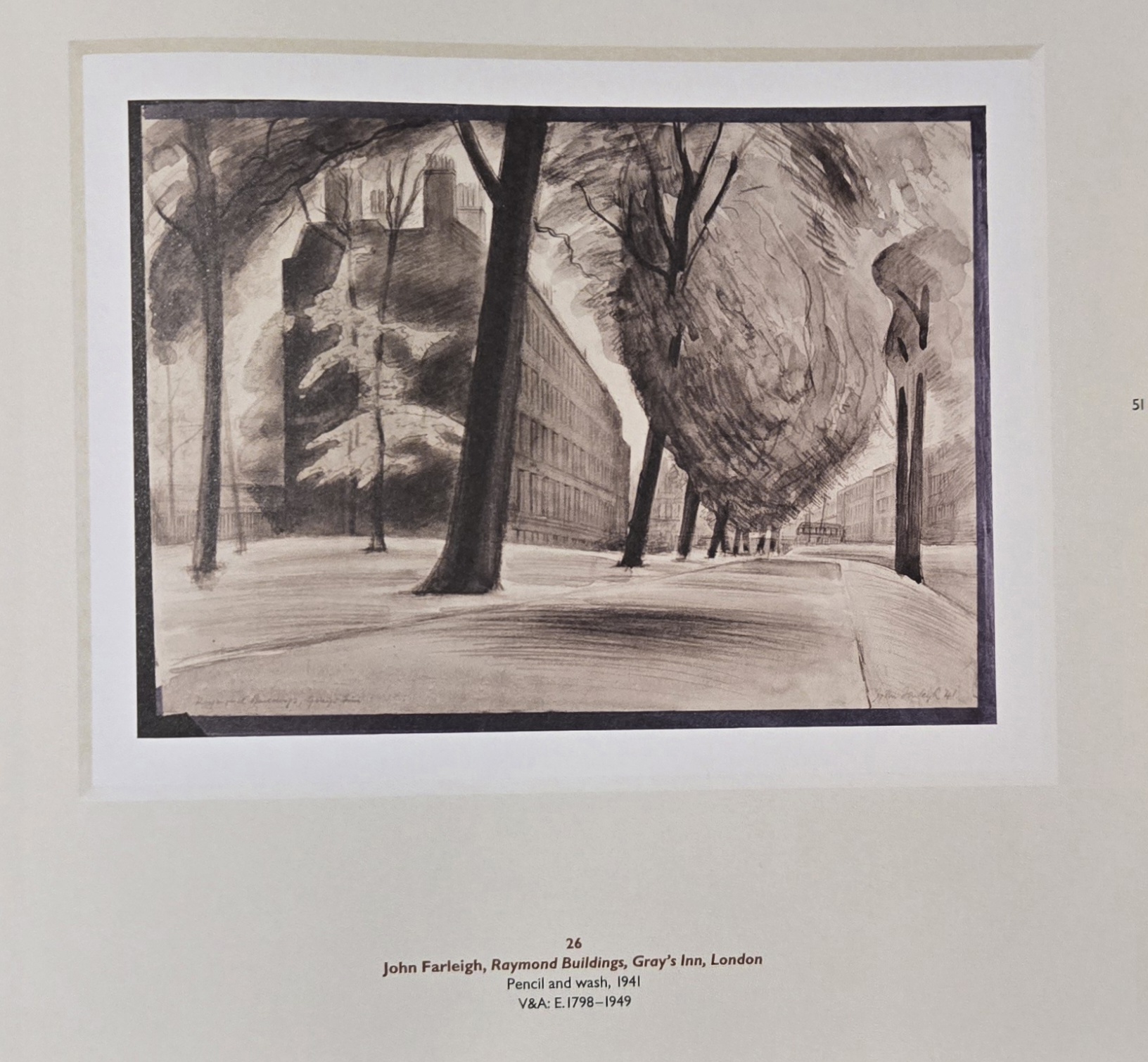
And, maybe because my roots twitch at a scene from The Ridings - a word derived from Anglo-Norse “Thriddings” meaning Thirds, ancient divisions of the Yorkshire kingdom of Jorvik - Bill Brandt’s photograph of Top Withens in West Riding sits high on my list. A moody black-and-white piece with the same emotional undercurrent as John Farleigh’s illustration of Gray’s Inn.
It is this dichotomy - sometimes local, sometimes general, beauty vs fact, detail vs landscape, nature vs industry - which provides pacing and interest, but also variety and intrigue. The paintings and photography share similarities in this respective - both achieve. I came away with an increased appreciation of art to stir emotions, in a way that is more challenging to achieve in photography but not impossible.
“Though Recording Britain often transcends the mere ‘tame delineation of a given spot’, it is an uneven collection by a disparate group of artists in which the gifted and distinctive are outnumbered by the merely competent, and the competent by the mannered, the feeble, and the frankly amateur.” Page 26
A harsh assessment, maybe. But also irrelevant. Because as a collective effort, it’s astonishing. A sentimental, deeply British attempt to capture a country on the edge of rupture — and somehow, to hold it still.
And that, in the end, is the point. Those women and men captured the time, essence and Britishness for us.
Recording Britain :: Edited by Gill Sauders
Search for your closest library copy with ISBN 9781851776610
